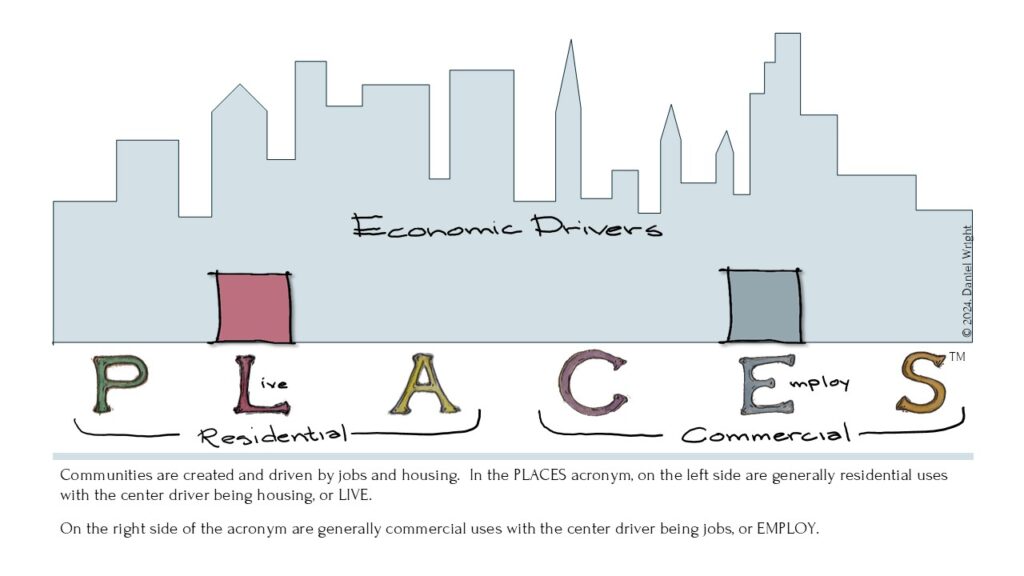
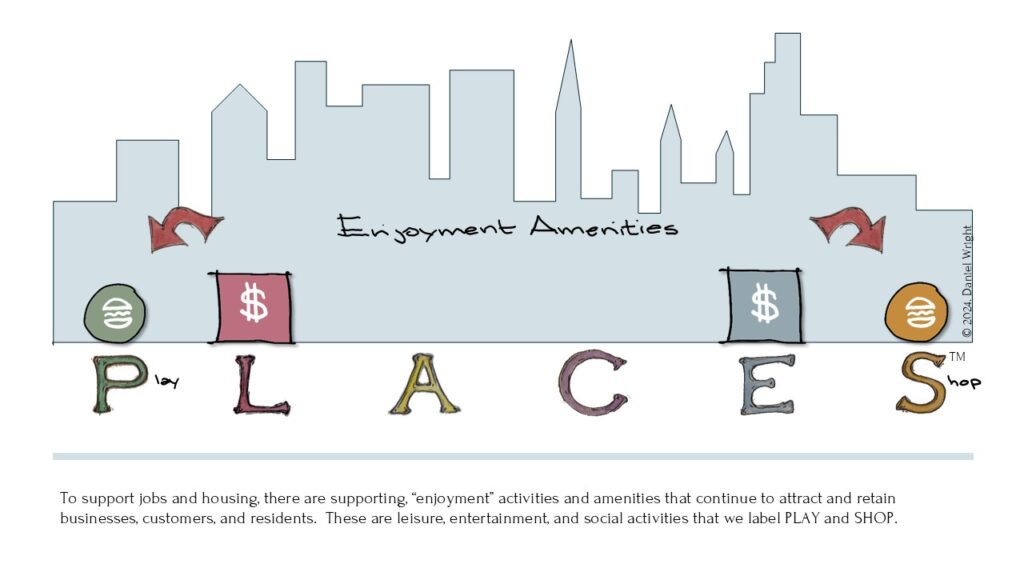
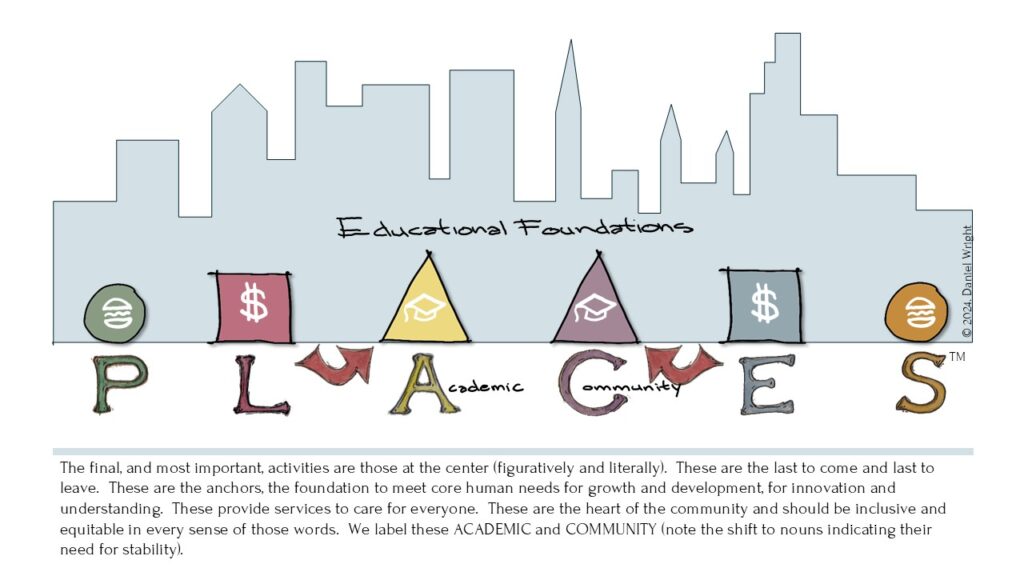
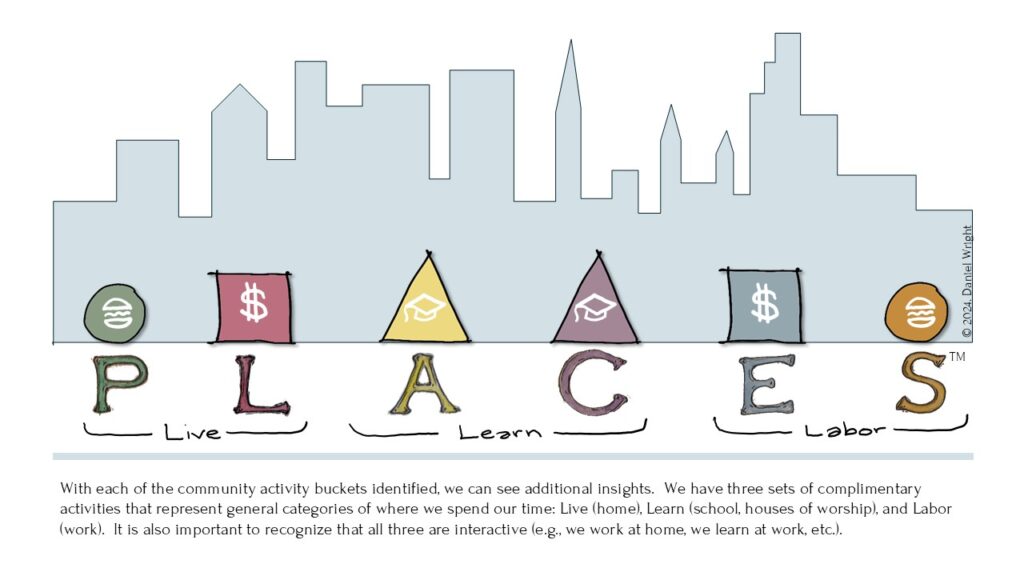
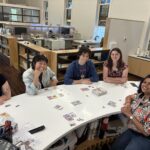
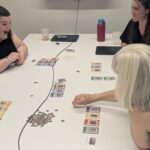
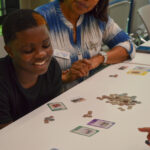
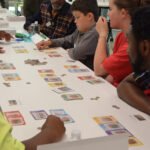
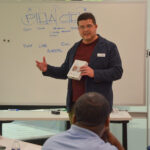
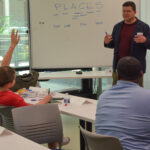
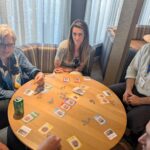
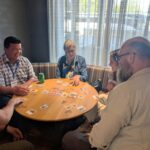
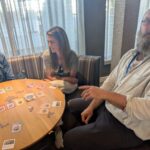
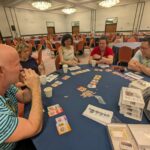
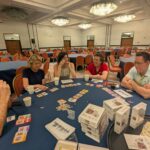
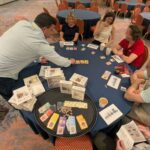
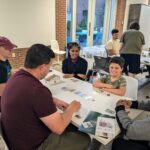
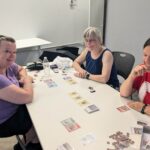
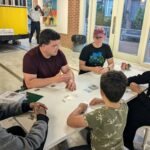
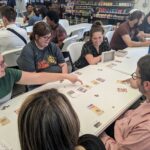
PLACES is a powerful tool to help others learn about the importance of the variety, scale, and interaction of activities within our communities.
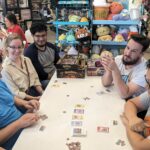
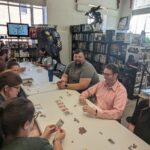
PLACES has been used in school classrooms and with organizations to provide a fun, collaborative forum to discuss improving our communities. It also provides a great “ice breaker” activity regardless of the circumstances.
If you are interested in using PLACES in your classroom, community, or company, we would love to see how we can help. Feel free to reach out to Daniel at [email protected]
PLACES Files
For human fulfillment we need to engage in a variety of activities on a regular basis. These activities include playing, sleeping, learning, worshipping, serving, working, eating, and socializing. For a community to thrive, it must have all of these activities calibrated to the appropriate scale, geography, climate, and culture. “Live, work, play” is a good start but insufficient for long-term viability. Additional activities must be available and accessible. To help us remember the various activities we should consider, we can divide these activities into six categories forming the acronym PLACES: Play, Live, Academic, Community, Employ, and Shop. Below are a set of files illustrating how PLACES informs phasing for healthy community development.
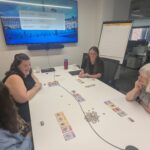
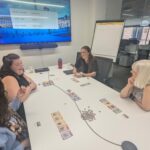
Amazing to see PLACES being played at one of my favorite architecture firms: Kronberg Urbanists + Architects. Eric Kronberg is one of the best and brightest architects with an incredible understanding of cities/codes and how to get good things built amidst challenging circumstances.
Events
ULI (Urban Land Institute): I was thrilled to be able to present and play PLACES with ULI’s UrbanPlan leadership team. They have done an amazing job with the UrbanPlan program and PLACES has worked well in my classroom as an introduction to this wonderful student experience.
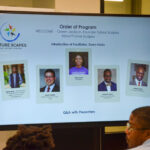
Future Scapes (Gwen Jackson): This was a fun architecture and art summer camp activity where PLACES was taught and played in conjunction with art and architectural presentations from other professionals: Dawn Hicks, Anthony Hunt, David Hunt, Frederick Davis.
NTBA (National Town Builders Association): Very rewarding to play PLACES with members of NTBA–a group of developers, builders, architects, planners, municipal leaders, and others seeking to build the very best traditional neighborhoods and town centers.
ARES (American Real Estate Society): It was great to play PLACES with academic real estate experts from top universities at the national ARES conference.
City of Charlotte Urban Design Center and Pixels & Potions: We had a great time participating with Pixels & Potions at the Charlotte Urban Design Center demonstrating PLACES.
Buzz City Games: We had a blast doing a demo of PLACES at Buzz City Games–our hometown games tore in Concord, NC.
Building Small | “Integrating the best in small scale, incremental development; economic resilience; authentic placemaking; and social responsibility.”
Center for Zoning Solutions | “Empowering communities to create livable places, promote health, and achieve shared prosperity through innovative zoning solutions.”
Congress for the New Urbanism | “Championing better design of cities and towns to improve lives and strengthen communities for all.”
National Town Builders Association | “Organized to serve builders and developers throughout the nation in an effort to build the very best traditional neighborhoods and town centers.”
On the Park Bench | A public square conversation by the Congress for the New Urbanism
Placemaking. Education | “This is the place to learn about creating great places and stronger communities.”
Strong Towns | Advocating “for cities of all sizes to be safe, livable, and inviting.”
Urban Land Institute – UrbanPlan | “An immersive learning experience that challenges participants to appreciate the tradeoffs in community centered development.”
Books
A Legal Guide to Urban and Sustainable Development for Planners, Developers, and Architects, Daniel Slone
Building Small: A Toolkit for Real Estate Entrepreneurs, Civic Leaders, and Great Communities; Jim Heid
Form-based Codes, Daniel Parolek
Getting Your House Right, Marianne Cusato & Ben Pentreath