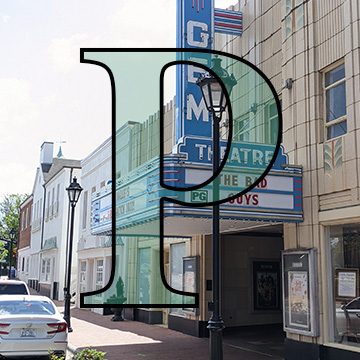
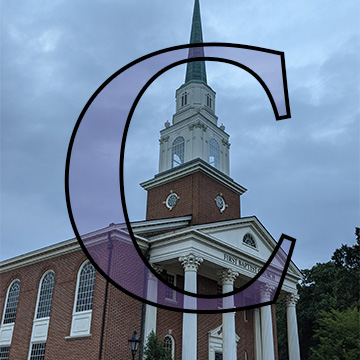
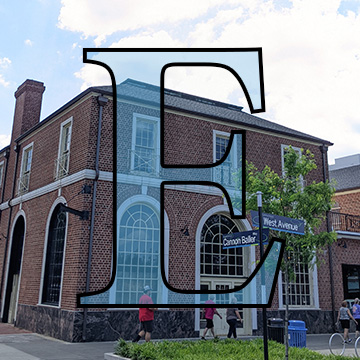
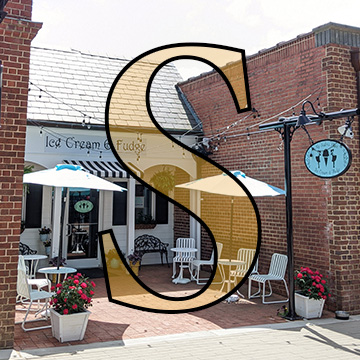
Kannapolis was founded as a textile mill town in 1906 by J.W. Cannon and incorporated as a city in 1984. In the early 1900’s, Cannon Manufacturing was the largest producer of sheets and towels. With textile manufacturing going overseas in the latter part of the 20th century, the town suffered economic difficulties. However, with a research campus and rebuilt downtown, Kannapolis has created a great example of walkable PLACES in the 21st century.
Salem, known by early settlers as Pond Town, was incorporated in 1886. It was an early Mormon pioneer (Church of Jesus Christ of Latter-day Saints) settlement and attracted settlers and farmers with its natural spring, canal, and eventual pond. The original town was laid out in 5 acre blocks. The current downtown has a nice community mix of of adjacent city hall, elementary school, library, and church.
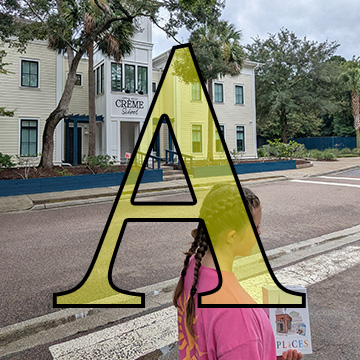
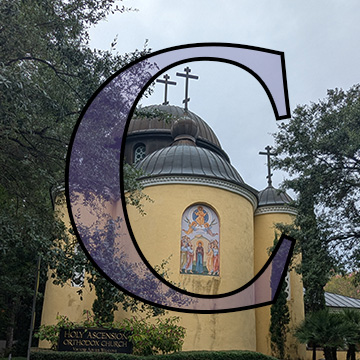
I’On was first established in 1995 and was one of the early new urbanist communities. It was developed by Vince Graham who has also developed Earl’s Court in Mt. Pleasant and Catfiddle Street in Charleston. I’On is a strong example of how thoughtful use of elements—such as trees, winding connected roads, alleys, parks, and vernacular architecture—can come together to create a truly walkable community.